

Please note, this information is designed for adults. If you are caring for a young person or child with a respiratory condition, visit www.frimley-healthiertogether.nhs.uk
Respiratory disease affects one in five people in the UK. If you're living with a lung condition you're not alone. This page has been designed with others who have conditions like Chronic obstructive pulmonary disease (COPD) and asthma, to help you understand what steps you can take to improve your health and to maintain it.
If you're looking for trusted and comprehensive information on living with a lung condition, visit Asthma + Lung UK. From understanding the condition to managing it effectively, their website offers expert advice, practical tips, and support for everyone affected by lung conditions.
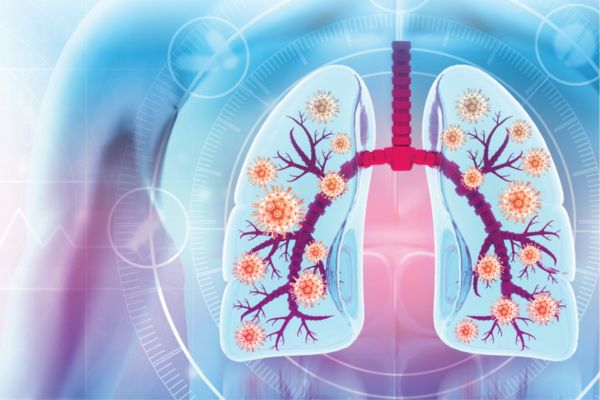
Asthma and Lung UK explain why the cold weather worsens the symptoms of your lung condition:
- Cold air can cause your airways to narrow. This can increase the amount of mucus you produce and make it harder for you to breathe.
- Cold, dry air can also irritate your airways and worsen symptoms like wheezing, coughing and breathlessness.
- Cold air weakens your immune system too, making it harder for you to fight respiratory infections like colds and flu.
- When the weather is cold, you might spend more time indoors. This can help to spread respiratory infections.
Check the weather before you head out - as explained above, cold air can trigger a flare up. If the temperature is particularly low it might be worth asking yourself is this journey really needed or could you ask a friend, family member or neighbour to go out for you?
If you choose to go out, ensure you wrap up with layers of thin clothing, keep your head, hands and feet warm with a hat, scarf and extra pair of socks. You may want to place your scarf over your mouth and nose, this will help to warm the air.
If you use a reliever inhaler (usually blue), make sure you keep it with you at all times. Use it as soon as you notice any symptoms. This could help you avoid an asthma attack or flare-up of your lung condition.
Cold air can still affect your lungs when you are in your home, for example when moving from a warm room to a cold room. Try to heat your home to 18 degrees Celsius, use blankets or hot water bottles, have warm meals and hot drinks and keep active.
Links to further information on specific conditions and educational videos to support you to live well with your lung condition
Did you know that carbon is released from inhalers every time you use them?
Many people are unsure how to use their inhaler properly and in a way which is most effective for their condition. Your healthcare team are there to help! If you are unsure ask for a review, you may find that there are more effective inhalers available for you and for your condition or the team can answer you questions on technique and frequency of medication.
By having a inhaler that works better for you and that you understand how to use, less carbon will be released and you will be having an positive impact on your health and on the planet!
Asthma and Lung UK have lots of information on their website including an informative page on inhaler choices. Take a look today and share with others you may find it useful.
Remember you should also return used inhalers to your local community pharmacy - Not put them in your house hold bin and always check your cupboards to make sure you haven't forgotten you have spares before putting in your repeat prescription.