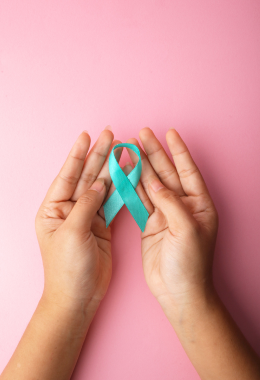
Cervical Cancer Prevention Week (19–25 January) highlights how cervical cancer can be prevented and why screening and vaccinations are so important.
This year we are focusing on encouraging our system partners to help share the following key messages:
- Cervical Screening Saves Lives
- Be Aware of the Symptoms of Cervical Cancer
- Take up the HPV Vaccine and encourage others to get vaccinated
Cervical cancer is one of the most preventable cancers. Almost all cases (around 99.7%) are caused by long-term infection with human papillomavirus (HPV), a very common virus that most people will be exposed to at some point in their lives. Thanks to cervical screening and the HPV vaccine, preventing cervical cancer, and even eliminating it, is now a real possibility.
The NHS Cervical Screening Programme is offered to women and people with a cervix aged 25 to 64 and is estimated to save around 4,500 lives in the UK each year. Screening looks for HPV, which can cause abnormal cell changes. These changes can usually be treated before cancer develops.
If everyone attended screening when invited, more than 8 in 10 cervical cancer deaths could be prevented. Screening is important even if you feel well or have had the HPV vaccine, as early cell changes rarely cause symptoms.
Invitations are sent via the NHS App, text message or letter. If you’ve missed an appointment, you can book one at your GP practice at any time, alternatively appointments are also available at some sexual health clinics.
When attending a cervical screening appointment, there are many adaptations you can request to make the appointment easier and more comfortable: Cervical Cancer Prevention Week - The Eve Appeal
Know the symptoms
Early cervical cancer often has no symptoms and is usually picked up through screening. When symptoms do occur, the most common is vaginal bleeding that is new or different, such as bleeding during or after sex, between periods, or after the menopause. Other symptoms can include pelvic or lower back pain, pain during sex, or changes to vaginal discharge.
 the menopause. Other symptoms can include pelvic or lower back pain, pain during sex, or changes to vaginal discharge.
These symptoms are often caused by something less serious than cancer, but it’s important to speak to your GP if you notice anything unusual, even if your last screening result was normal. When cervical cancer is diagnosed early, survival rates are very high.
HPV vaccination protects against cancer
The HPV vaccine protects against the high-risk types of HPV that cause most cervical cancers. Being vaccinated at a younger age provides the best protection. All children aged 12 to 13 (school year 8) are offered the HPV vaccine. If you missed getting vaccinated when you were 12 or 13, the HPV vaccine is available for free on the NHS for all girls aged 24 and under, and boys born after 1 September 2006 up until their 25th birthday. Contact your school nurse, school vaccination team or GP surgery if you or your child were eligible for the HPV vaccine but did not get vaccinated.
Gay, bisexual and other men who have sex with men are at higher risk from HPV. If you're a man aged 45 or under who has sex with men and you attend a sexual health or HIV clinic, you can get vaccinated against HPV.
Since September 2023, most people only need one dose to be fully vaccinated. Increasing HPV vaccination and screening uptake together offers the strongest protection against cervical cancer.
By attending screening when invited, being aware of symptoms and taking up the HPV vaccine, we can all help prevent cervical cancer and protect future generations.